

-
Black Friday Sale
-
-


-
Black Friday Sale
-
-
Choose Your Country or Region

ZWO Seestar
Seestar S30 Plus Smart Telescope
Seestar S30 Plus Smart Telescope
Pre-Order Notice: Orders will ship within 7 days, in the order they are received.
For a smooth shopping experience, please take a moment to review our Shipping and Delivery Policy before placing your order.
The site is secured with encryption. Our top priority is your security, and we ensure that none of your personal information will be shared.
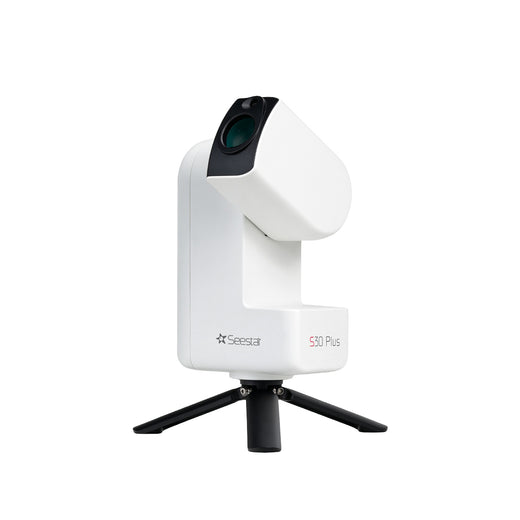
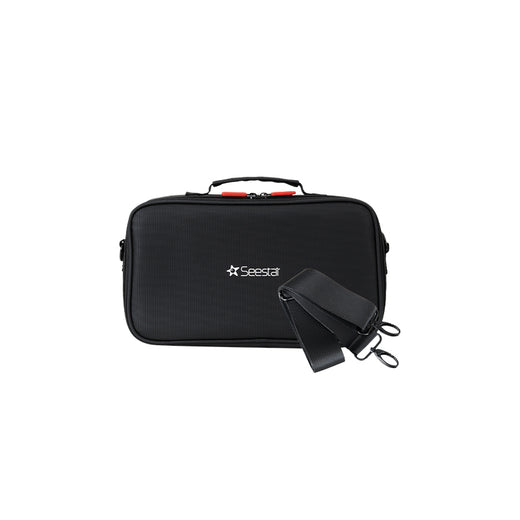
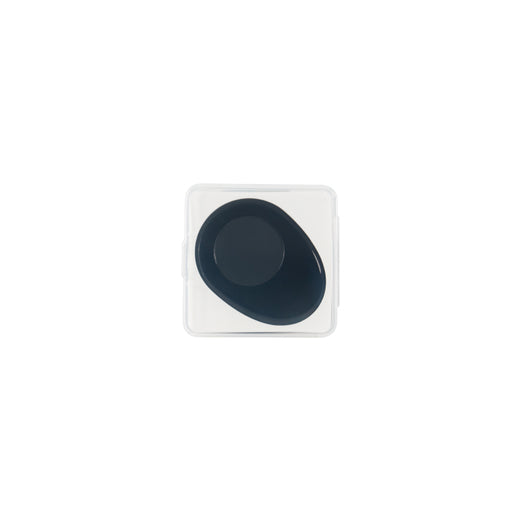
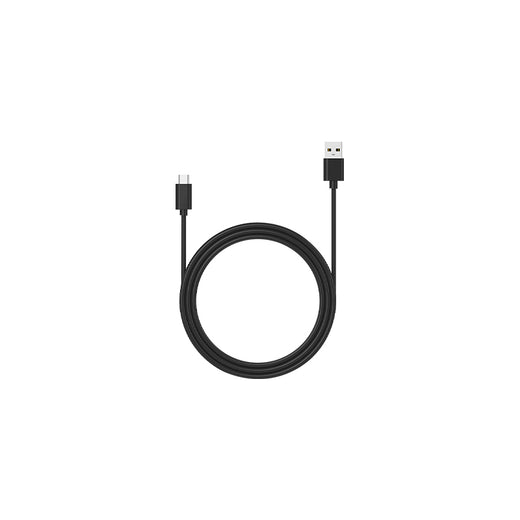
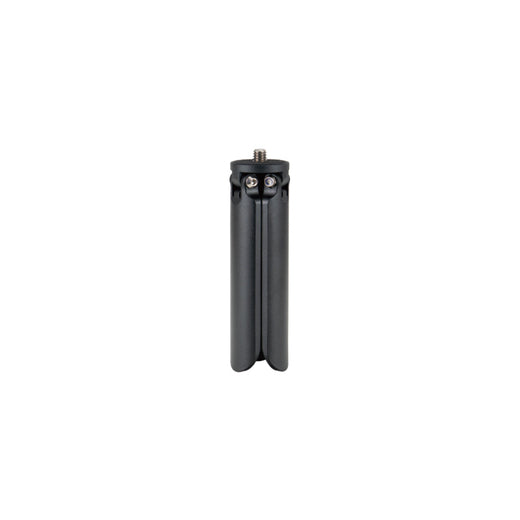
The S30 Plus comes with the telescope, a magnetic solar filter, an aluminum alloy tripod, astronomy stickers, a protective carrying case with shoulder strap, a USB-C cable, a quick guide, and a safety guide.
- If you plan to use Equatorial Mode, we recommend the TH10 + TC20 tripod head and tripod bundle.
- If you already own a tripod, check that its tripod-head mount has a 3/8-inch thread. You can then purchase the TH10 tripod head separately and use it with your existing tripod.
Pay with
Your transaction is protected with advanced security measures to keep your information confidential


Image Gallery
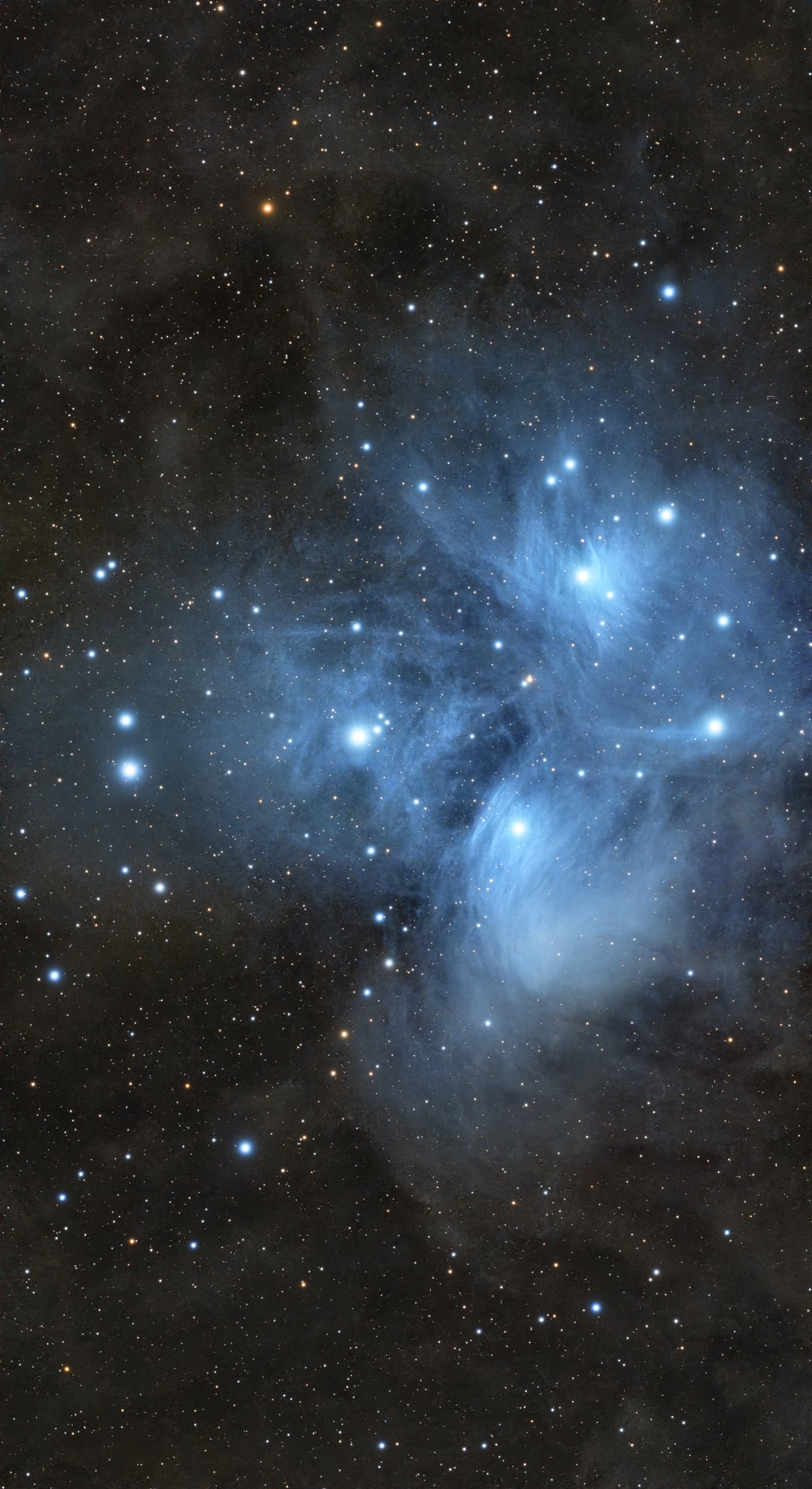
 Seestar S30 Plus
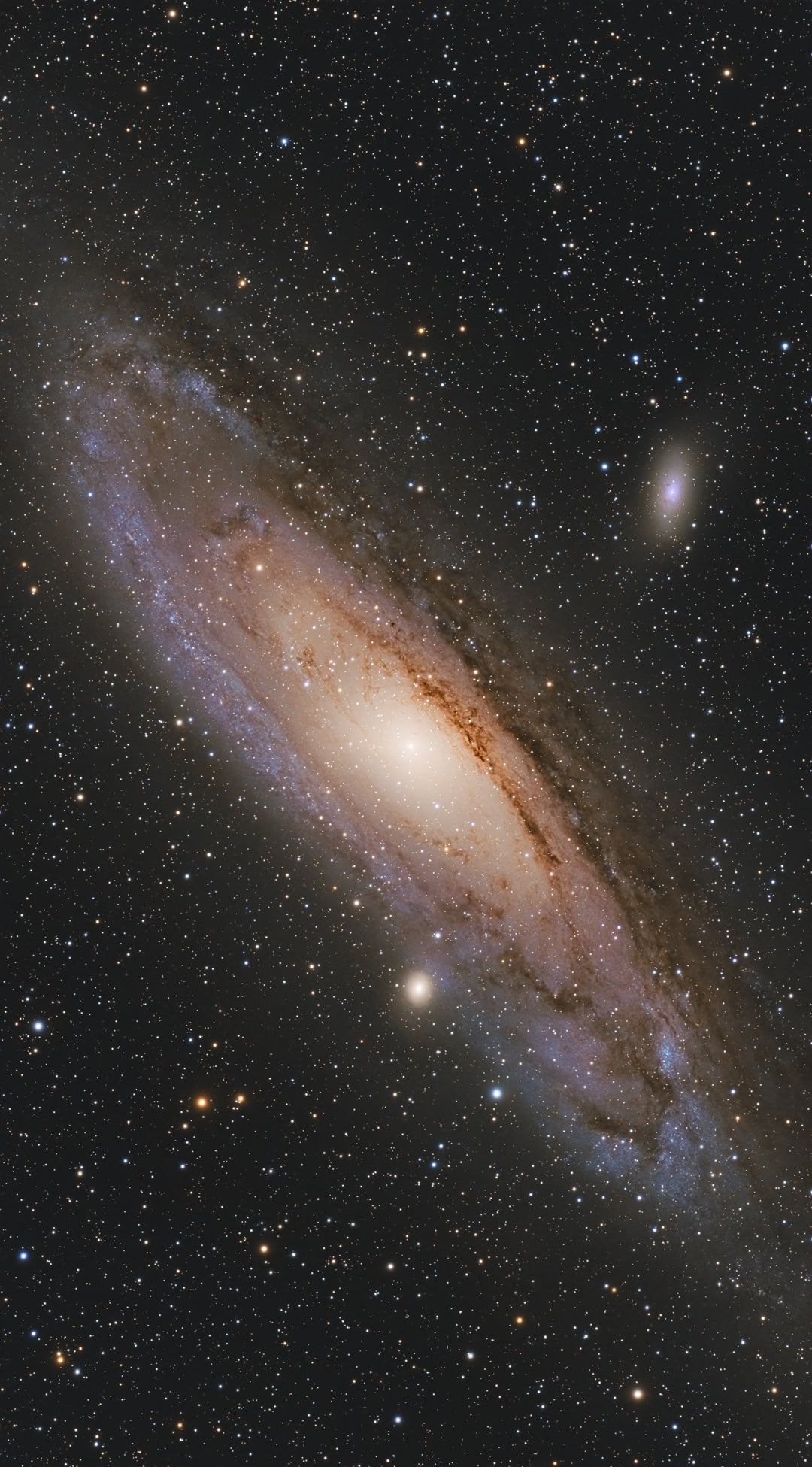 Seestar S30 Plus
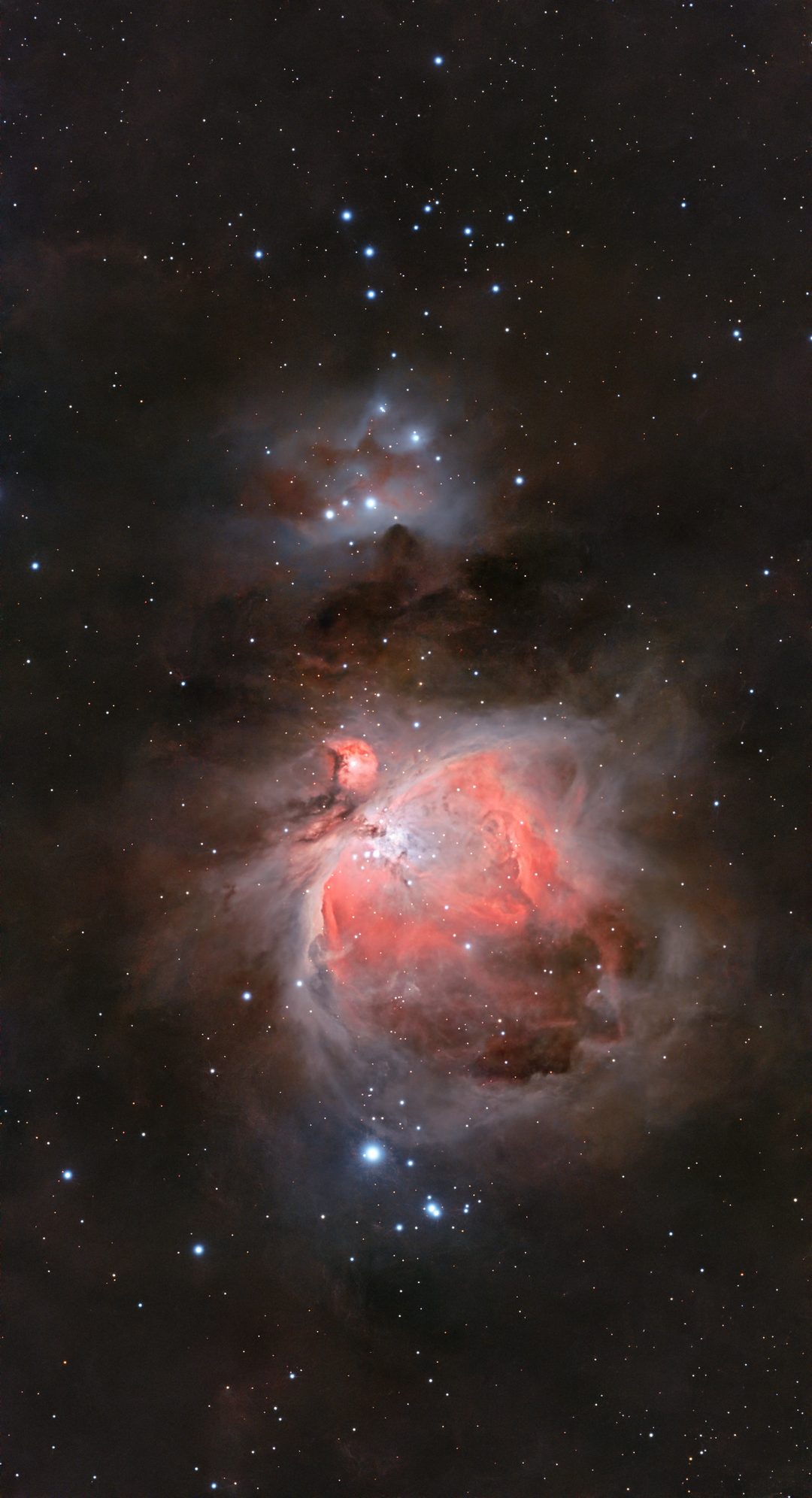 Seestar S30 Plus
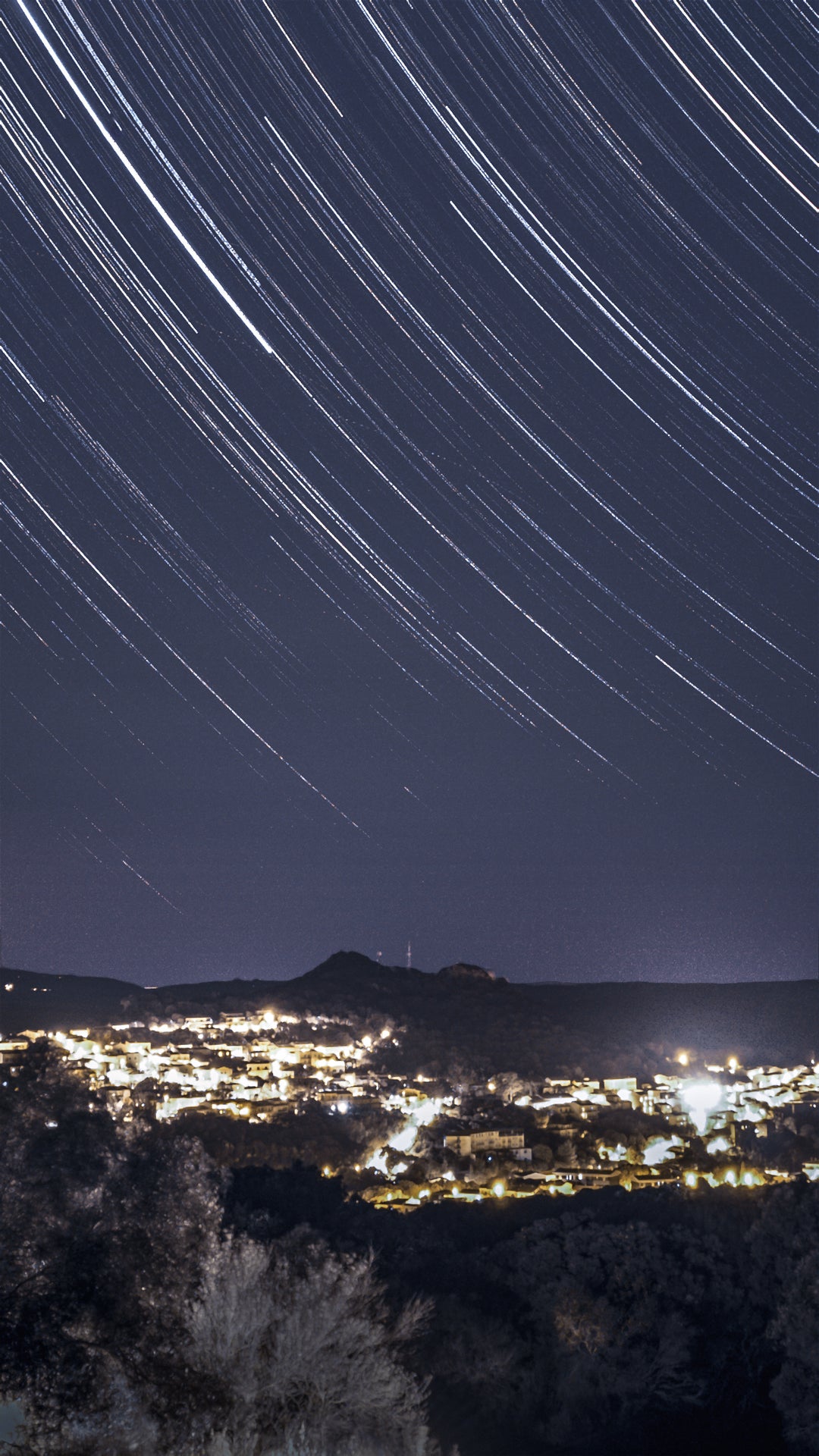 Seestar S30 Plus
 Seestar S30 Plus
 Seestar S30 Plus
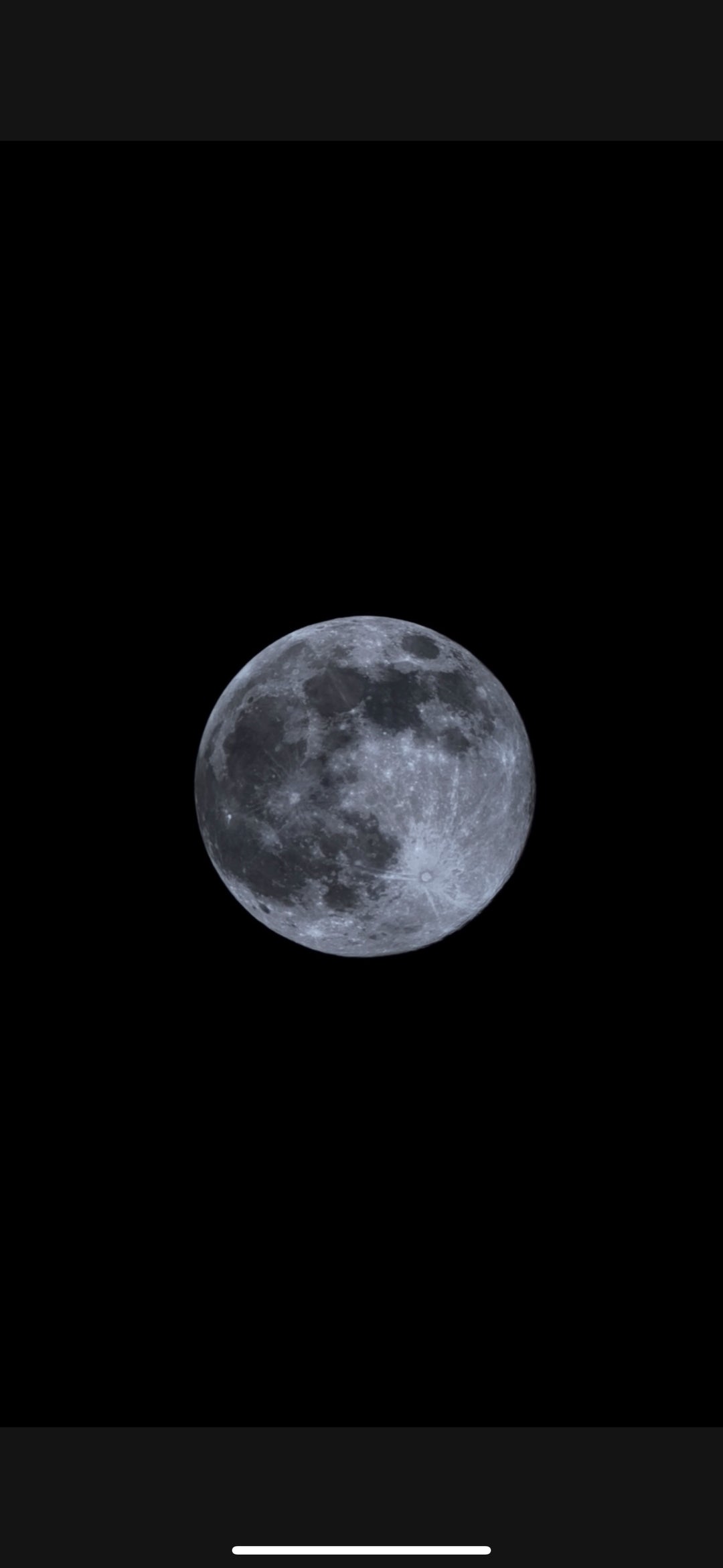 Seestar S30 Plus
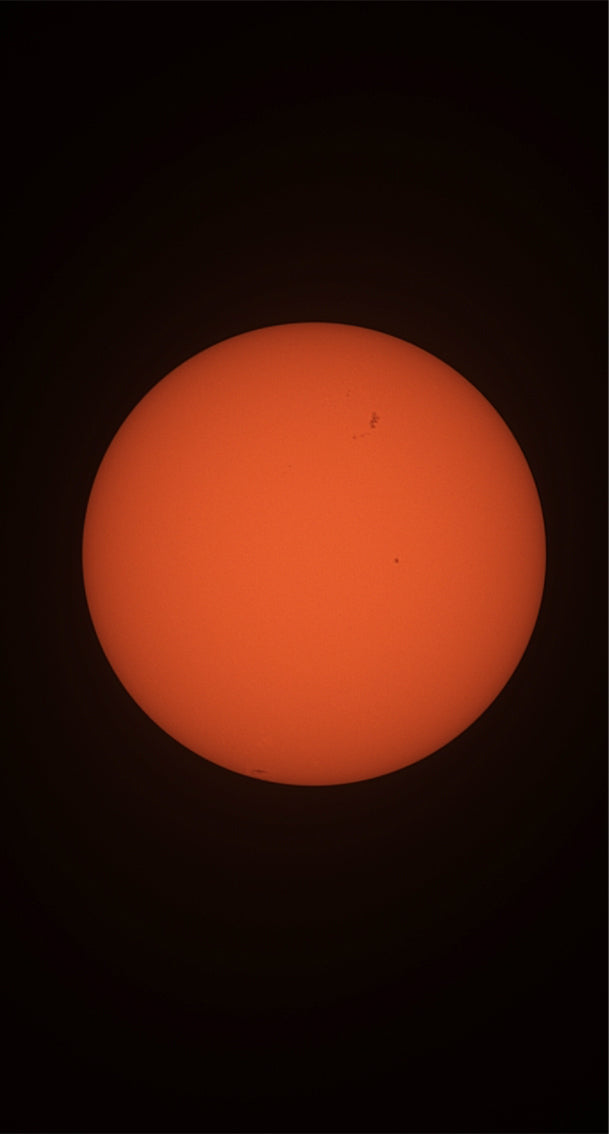 Seestar S30 Plus
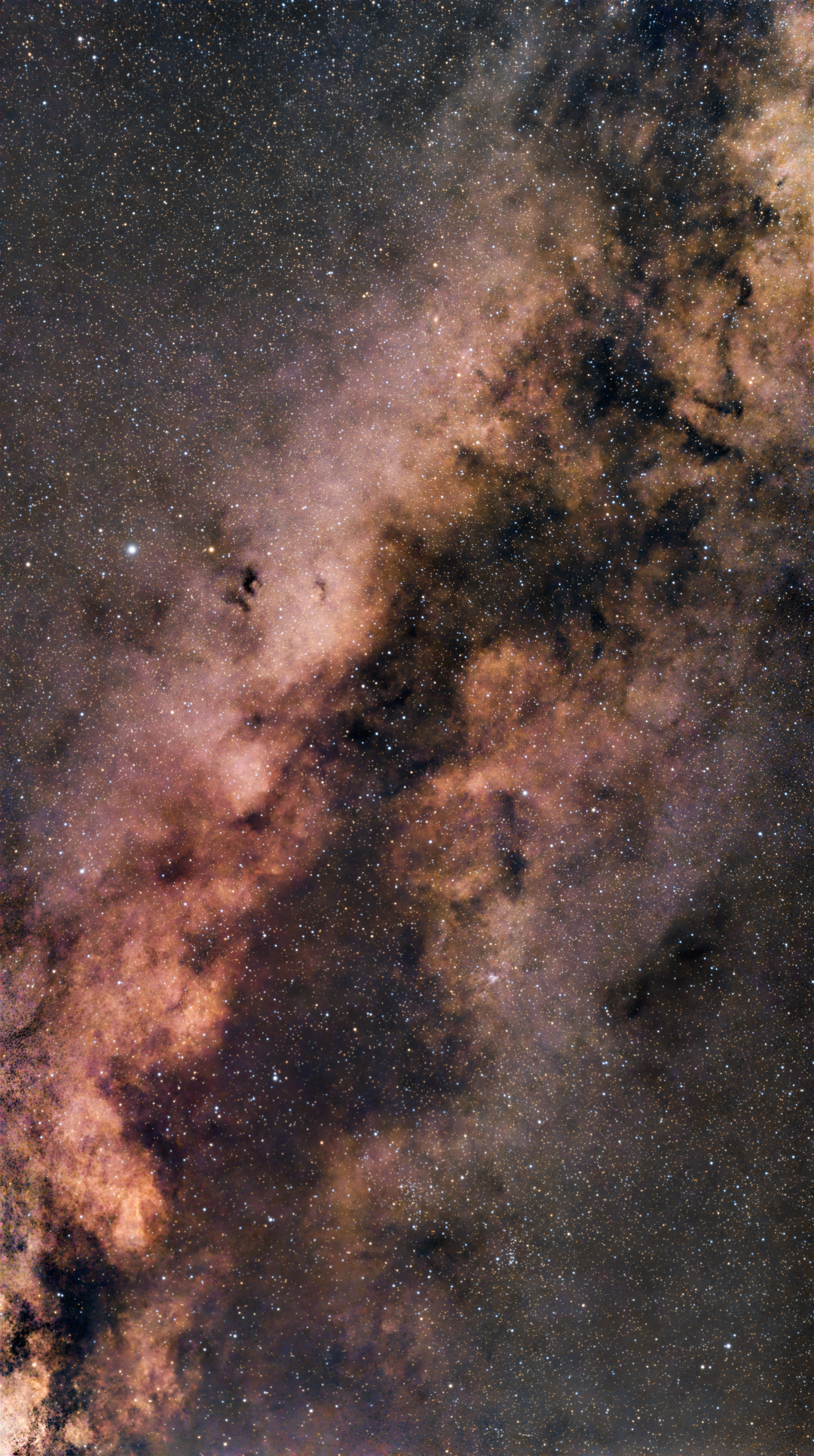 Seestar S30 Plus
Travel Light. Explore the Night Sky.


Explore. Share. Connect.


Product Specifications
Product Model
Seestar S30 Plus
Sensor
Tele: 1/1.8" CMOS SC485SL
Wide: 1/2" CMOS IMX586
Resolution
Tele: 1440x 2560, vertical
Wide: 1440x 2560(crop), vertical
Field of View
Tele: 3°
Wide: 43.5° (crop)
Aperture
Tele: 30mm
Wide: 3.4mm
Focal Ratio
Tele: F/5.3
Wide: F/1.75
Focal Length
Tele: 160mm
Wide: 6mm
Equivalent Focal Length
Telephoto: 815mm
Wide-angle: 55mm
Optical Lens
4-Element Apochromatic Lens System
Working Distance
Tele: 6m–∞
Wide: 0.1m–∞
Built-in Filter
UV/IR-Cut Filter (Tele + Wide)
Duo-Band Filter (OIII 30nm/Ha20nm) (Tele only)
Dark Filter (Tele only)
External Filter
Magnetic Solar Filter
Image Formats
JPEG / FITS
Video Formats
MP4 / AVI
Mount Type
Alt-azimuth (Supports Equatorial Mode)
Interface on Base
3/8"-16
Slew Rate
1X–1440X
Auto Homing
Supported
Storage
64GB
Battery Capacity
6000mAh, Lasts up to 6hours after a full charge (tested in ZWO laboratory)
Power Input
Type-C, Supports DC 5V–3A
Transmission Mode
Wi-Fi / USB Type-C / Bluetooth
Wi-Fi Reset
Supported
Wi-Fi Range
≤10m
Bluetooth Range
≤5m
Wi-Fi Specifications
5G/2.4G
Working Temperature
-10°C~40°C (Recommended)
Charging Temperature
0℃~40℃
Storage Temperature
-10℃~60℃
Operating Humidity
20%~80%
Storage Humidity
20%~50%
Net Weight
1.65KG (without tripod)
Size
210mm x 140mm x 80mm
Frequently Asked Questions
The S30 Plus is a ready-to-use smart telescope for everything from city balconies and backyards to outdoor adventures.
- City balconies and backyards: The built-in dual-narrowband light pollution filter (OIII/Hα) works with live stacking to help you capture deep-sky objects such as nebulae and star clusters, even under city light pollution.
- Outdoors: The Active Anti-Dew Control function helps prevent fogging during long outdoor sessions. Even without a local Wi-Fi network, you can connect your phone directly to the telescope’s own Wi-Fi and shoot using the Seestar App installed on your phone.
The S30 Plus works automatically by default: choose a target and let it handle the rest.
- Automatic target finding: Seestar’s proprietary algorithm finds and tracks celestial objects, recognizes targets, aligns images, and adjusts focus. The entire imaging process is controlled in the app, with no need to enter settings manually.
- Tap a target to start: In Solar System Mode, select the Sun, Moon, or a planet. The device focuses, starts tracking, and begins imaging automatically. For deep-sky and wide-field targets, simply select a target in SkyAtlas; there is no need to set focal length or exposure time.
- Optional advanced controls: Adjust exposure time, filter selection, and zoom as needed.
Beginners can start shooting without adjusting settings, while experienced users can fine-tune them in the app.
Compared with the S30, the S30 Plus brings six key upgrades:
- Wide-field astrophotography: The S30 can capture deep-sky objects, the Moon, and planets, as well as terrestrial scenes. The S30 Plus adds wide-field imaging for the Milky Way, star trails, and meteors.
- Upgraded sensors:
Telephoto: S30: 1/2.8-inch 2 MP → S30 Plus: 1/1.8-inch 3.68 MP. Wide-angle: S30: 1/3-inch → S30 Plus: 1/2-inch, with the sensor orientation changing from landscape to portrait to help fit more of the Milky Way’s band in a single frame.
- Higher resolution: 1080p → 2K, giving you more room for post-processing, viewing details when zoomed in, and reframing your images.
- Upgraded optics: A three-element apochromatic lens → a four-element apochromatic lens.
- Longer focal length: Telephoto aperture / focal length: 30 mm / 150 mm → 30 mm / 160 mm. Together with the larger sensor, the telephoto field of view increases from 2.46° to 3°, making it easier to frame deep-sky objects in a single shot.
- NFC connection: Tap a compatible phone against the device to connect, without manual pairing.
If you want to capture the Milky Way, star trails, or meteors, or would like the added detail of 2K imaging, the S30 Plus is worth considering.
The S30 Plus is the entry-level option and is approximately US$100 less than the S30 Pro at regular retail prices.The S30 Pro offers a 1/1.2-inch 8.3 MP sensor, a 63° wide-angle field of view, 4K output, wide-angle stitching, one-tap Milky Way arch capture, and simultaneous dual-camera capture. It is better suited to a wider field of view, higher resolution, and frequent wide-field or dual-camera projects.The two models share the same optical and lens design. The S30 Plus also features a four-element apochromatic lens, NFC connection, wide-field astrophotography, and approximately six hours of battery life.Choose the S30 Plus if you want to capture the Milky Way and other wide-field scenes without extensive post-processing, or if you are looking for a gift or a way to explore astronomy with your family. Choose the S30 Pro if you prioritize creative output, 4K resolution, and a wider field of view.
- Telephoto: SC485SL, 1/1.8-inch, 1440 × 2560 (2K).
- Wide-angle: IMX586, 1/2-inch, 1440 × 2560 (2K, cropped).
The S30 Plus has 64 GB of internal storage. Approximately 45 GB is available for use because part of the capacity is occupied by the storage system and system files. Future system updates may affect the space available; actual capacity may vary.
- Dimensions: 210 mm high × 140 mm wide × 80 mm deep, with the telescope closed.
- Weight: 1.65 kg for the device, excluding the tripod.
Both are the same as the S30 Pro.
The S30 Plus comes with the telescope, a magnetic solar filter, an aluminum alloy tripod, astronomy stickers, a protective carrying case with shoulder strap, a USB-C cable, a quick guide, and a safety guide.If you plan to use Equatorial Mode, we recommend the TH10 + TC20 tripod head and tripod bundle.If you already own a tripod, check that its tripod-head mount has a 3/8-inch thread. You can then purchase the TH10 tripod head separately and use it with your existing tripod.
Quickly generate an imaging plan based on your targets and observing conditions, then let the device follow it automatically. If you are unsure what to capture or how to adjust settings, Auto Plan helps you get started with less manual setup and fewer repeated steps.
Yes. Use Telescope Network in the Seestar App to control your S30 Plus remotely.Once you connect to the remote device, the system automatically uses its location. You can check local observing conditions and the altitude of your target in real time, select a target, and start imaging.
Important Notes
Seestar series products are available in two regional versions: Mainland China and Overseas. The Mainland China version is intended for activation and use exclusively within Mainland China, Hong Kong, and Macau. Activation in other regions is not supported, and products activated outside these designated regions are not eligible for warranty or after-sales service.
- Handle with care. Seestar smart telescope is a precision optical and electronic instrument. Avoid drops, impacts, or strong shocks, which may cause damage.
- Image results may vary. Imaging performance depends on environmental conditions such as light pollution, atmospheric transparency, parameter settings, and stacking duration. Actual results are subject to real-world shooting conditions.
[1] At 1× magnification, both the telephoto and wide-angle cameras capture images at 4K (3840 × 2160) resolution. Resolution decreases at 2× and 4× magnification. The real-time live preview stream for both cameras is 1080P.
[2] Milky Way imaging requires dark-sky conditions. In areas with significant light pollution, Milky Way details may be limited or not visible. Results depend on on-site observing conditions.
[3]
NFC functionality requires a compatible smartphone. Support varies by device and
model—please refer to your phone's specifications.
To use NFC, ensure the telescope is powered on, the phone is unlocked, and Wi-Fi,
Bluetooth, NFC, and GPS are enabled on your phone.
NFC sensitivity varies by device due to antenna placement. Locating your phone's
NFC sensing area may improve detection.
If the Wi-Fi name is changed, NFC information must be updated manually for NFC to
work properly.
[4] Due to system usage and storage allocation, available capacity may vary. System updates may affect storage allocation. Please refer to the actual available capacity on your device.
[5] Under ambient temperatures above 25°C, with Alt-Azimuth Mode and Telephoto Sensor Stargazing Mode enabled, the battery provides up to 9 hours of runtime. Data provided by the ZWO laboratory for reference only. Actual performance may vary.
[6] 60 s long exposures are supported only in Equatorial Mode and are not available in Alt-Azimuth Mode. Accurate polar alignment is required in Equatorial Mode to ensure precise tracking. Inaccurate alignment may reduce imaging performance.
[7] A solar filter must be installed when observing the Sun. Never allow the main camera to observe the Sun directly, as this may cause permanent damage to the device.
[8] The Smart Enhancement feature optimizes noise in actual astrophotographic images and enhances the stars captured in those images. It works like beautification applied to existing photos and does not generate AI-created images. This product is an intelligent astronomical telescope, and all images are authentic captures without AI-generated content.
[9] Wi-Fi transmission range is measured under ideal conditions. ZWO Laboratory testing shows a range of up to 10 meters in an open outdoor environment without interference. Actual range depends on real-world conditions.
[10] Sudden changes such as cloud cover, rain, or strong winds may prevent task completion. The device does not automatically power off in these situations. Please confirm weather conditions before scheduling an imaging plan.
[11] Telescope Network Remote Access is available for a limited-time free trial during the beta period.